
When I was 49, my mum was diagnosed with DCIS—Ductal Carcinoma In Situ. It was picked up during a routine mammogram in her right breast. There was no history of breast cancer in our family, and the doctors assured her it probably wasn’t hereditary. Still, she told me I should go and get a mammogram done.
I pushed back—I wasn’t 50 yet, and screenings didn’t start until then (or so I thought). But she kept gently (and sometimes not so gently) nagging me…until I finally gave in.
I booked into my local BreastScreen clinic and had the mammogram and ultrasound. They told me I’d likely get called back since it was my first scan and there was no previous baseline to compare it to. So when the letter came, I wasn’t too worried—until I read the part that said to allow half a day. I rang to clarify, and they said they’d found something in my right breast.
I showed up on the day and changed into the hospital gown, walking into a waiting room filled with other women, also gowned up. “Who wears it best?” I joked—and we all had a laugh.
First came the mammogram. Then the “winners” moved on to the next round: the ultrasound. Then the final stage—the biopsy. And like I do when I’m nervous, I cracked jokes. I even remember telling the male doctor as he examined my breast, “Your mates must think you’ve got the best job.”
A week later, I went back in and was told those words that stop your breath: You have breast cancer. It’s hard to process those words when they’re said to you.
I saw the breast surgeon quickly after. The diagnosis was low-grade DCIS—almost the exact same spot and side as my mum’s. The difference was hers had escaped the duct and was more aggressive.
There’s an urgency that comes with a cancer diagnosis like that. You just want it out. So while I waited for my lumpectomy, I went down the research rabbit hole. I found articles saying DCIS isn’t “real” cancer—it’s precancer. But when it’s in your body, it feels pretty damn real.
Surgery day came with complications—wires inserted to guide the surgeon, a reaction to the anesthetic, and the hardest part? Hearing a week later that they didn’t get it all and I would need another surgery.
The second time, I knew what to expect. But then I was told the margins still weren’t clear. The surgeon suggested I consider a mastectomy. I remember thinking, but it’s low grade—why take my whole boob?
Instead, I was to start radiation—25 sessions, plus 5 booster rounds.
And then the world shut down. COVID had hit.
As a solo mum, I was working full time from home, homeschooling my daughter, and ducking out for radiation on my lunch breaks. It was chaos, but somehow I kept going.
A few years passed. We even relocated to regional NSW.
Then came my 3-year review. They scanned, stepped out, came back in. and said they just needed a few zoomed up images. I knew something was not right.
That Friday night, my new breast surgeon called me—what we now jokingly refer to as his “Friday Night Specials.” He’d found something near the original site. A biopsy confirmed it: the cancer was back.
And this time, there was no question. A mastectomy was the only path.
It all happened fast. Surgery day arrived, and it felt very different from the lumpectomies. There was a fear in me this time. My breast surgeon—bless him—tried to lighten the mood, marking an “X” on my breast and saying, That’s where the treasure is.
I woke up groggy and overwhelmed. My daughter and parents visited briefly. I tried to call a few friends. I had bandages, a drain I named “little baggy,” and zero energy. I remember crying to my mum on the phone that I couldn’t even brush my hair. A woman in the bed opposite overheard and came over—she was a hairdresser. She pulled out dry shampoo and brushed my hair for me. I’ll never forget that kindness.
I spent a few days in hospital before heading home. My parents stayed on to help—dad emptied my drain and checked my dressings, mum helped me shower. They were my lifeline.
Afterwards, I just wanted things to feel “normal” again.
But even now—a year post-mastectomy—I haven’t fully looked at myself. I’ve done the squint, the flash-glance. But I can’t bring myself to stand in front of the mirror and see it. At my last check-up, the surgeon asked if I wanted to speak to someone about it. I said no—I’m fine for now.
Mind you, I’ll show anyone who wants to look. It’s just not something I’m ready to face myself.
That’s why I created The Boobie Files. Because so many of us are walking this road with quiet strength, private fears, and untold stories. If my story can help even one person feel less alone—then it’s worth sharing.
If you’ve got a story too, I’d be honoured to share it here. Whether it’s a few sentences or the whole journey—your voice matters.
I needed real. Not theory. Not pamphlets. Not rehearsed empathy. Just someone who had been there and could tell me the truth.
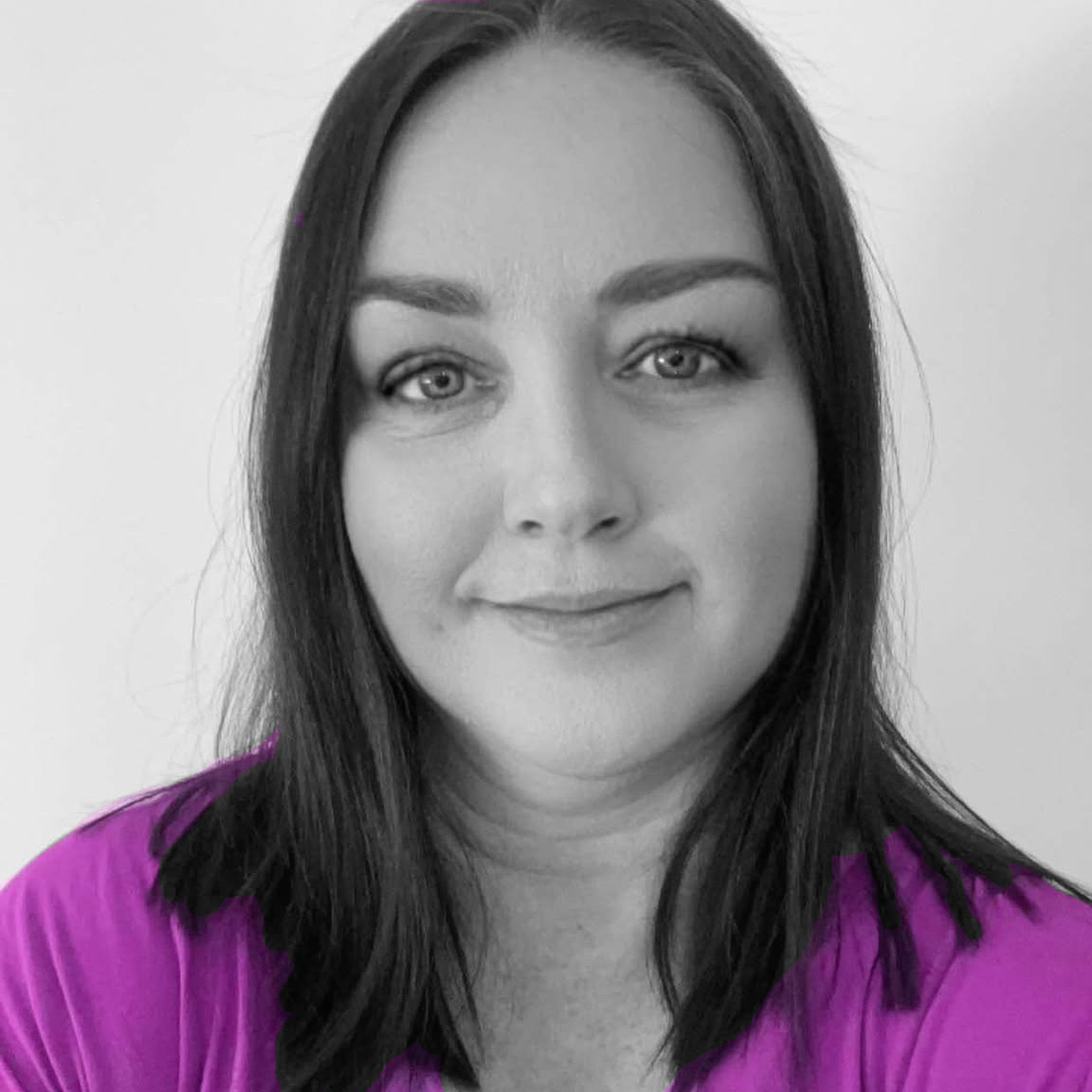
About the contributor
Name: Michelle S.
Location: Tamworth, NSW
Michelle was diagnosed with DCIS at 49. After her breast cancer returned, she has had a single mastectomy. She now shares her experience to support others navigating their own breast cancer journey.